Ghana Defends Purchase of $60 Million Presidential Jet Amid Cost of Living Criticism
The government of Ghana has justified the acquisition of a new Falcon 6X aircraft, arguing that improved economic stability makes the investment affordable despite opposition calls for austerity.
By Julian Lee ·
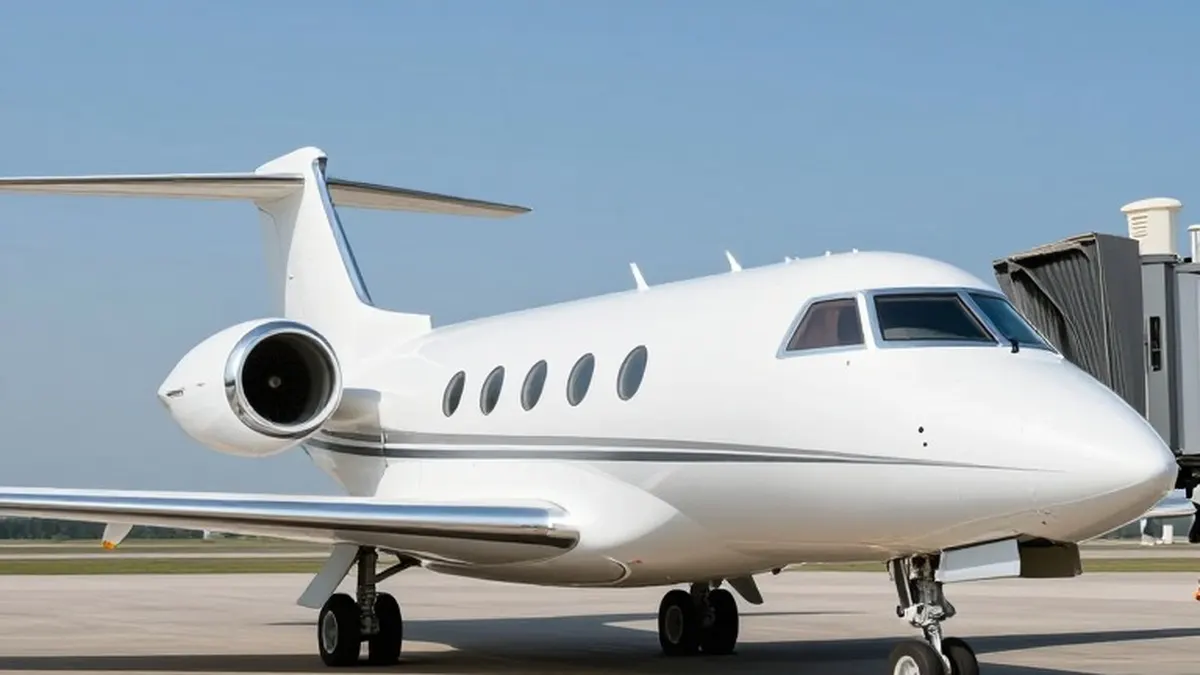
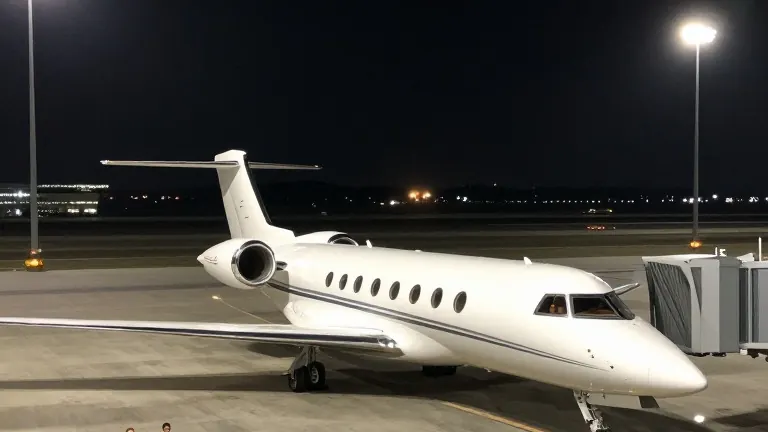
The Ghanaian government has defended its decision to purchase a new presidential jet, responding to growing public backlash regarding the aircraft's high cost. The French-made Falcon 6X, valued at approximately $60 million, has ignited a political debate as many citizens continue to face significant challenges related to the rising cost of living.
The aircraft, manufactured by Dassault Aviation, was formally delivered to the Ghana Air Force on Monday. Reports indicate the final cost was $61 million. The jet arrived with a water salute, but its presence quickly drew scrutiny from opposition politicians and social media users who questioned the timing and necessity of such a significant expenditure.
Parliament had approved the purchase in December of the previous year as part of a wider initiative to modernize the country's military aviation fleet. This program also included the acquisition of four helicopters from Airbus. The government argues that the new plane is essential to replace the existing presidential jet, a 16-year-old Falcon 900EX that has suffered from recurring maintenance issues, including corrosion and fuel tank leakages.
Critics, however, argue that the money could have been directed toward more urgent public needs. Opposition Member of Parliament Samuel Abu Jinapor highlighted the irony of the administration's position, noting that President John Mahama had previously opposed buying a new jet while in the opposition. Jinapor accused the ruling National Democratic Congress of hypocrisy, stating that what was deemed unacceptable in opposition should not suddenly become acceptable in government simply because the occupants of power have changed.
Jinapor called for greater transparency regarding the procurement process, the financing methods used, and the overall justification for the expense. He emphasized that the purchase occurred at a time when youth unemployment remained high and many families were struggling financially. Social media echoed these sentiments, with one user suggesting that the funds could have employed over 100,000 nurses and 200,000 teachers.
In response, government officials contend that the country's economic landscape has shifted significantly since the NDC previously opposed a similar purchase. Peter Lanchene Toobu, chairman of parliament's defense committee, clarified that the party had never opposed acquiring a presidential jet in principle. Rather, their previous objection was based on the timing, specifically during a period when Ghana was seeking a $3 billion bailout from the International Monetary Fund.
Toobu stated that the current macroeconomic stability and stronger currency have made imports cheaper, creating the right conditions for the purchase. He noted that the government bought the aircraft without taking on new debt. Government spokesperson Kwakye Ofosu further supported this view by pointing to lower borrowing costs and falling prices of construction materials as evidence of economic improvement. He cited the cost of cement, which dropped from 115 cedis per bag in 2024 to 80 cedis in the present day, as a tangible example of this progress.
The controversy has also touched on the interior features of the new jet. Following claims that the aircraft includes a dedicated bedroom and bathroom, Ofosu dismissed the idea of such luxury facilities. He stated that the president has no intention of bathing in the air and explained that the jet features reclining seats that can be converted into sleeping arrangements, though not a full bedroom.
Officials highlight that the Falcon 6X offers a longer flying range, which reduces the need for refueling stops on international trips and enhances the reliability of presidential travel. The previous jet was reportedly grounded in France for several months in 2025 for repairs, underscoring the need for a more robust aircraft.
Economist Professor Godfred Alufar Bokpin from the University of Ghana acknowledged that the president's safety is paramount but expressed difficulty in justifying the timing of the purchase given the ongoing austerity measures and infrastructure challenges. He suggested that the government should provide a detailed cost-benefit analysis explaining why purchasing the jet was a better option than leasing one.