Connecticut college system faces leadership crisis after 15 years of merger
Enrollment remains below pre-pandemic levels while management costs rose, according to a review of the state's higher education structure.
By Hannah Takahashi ·
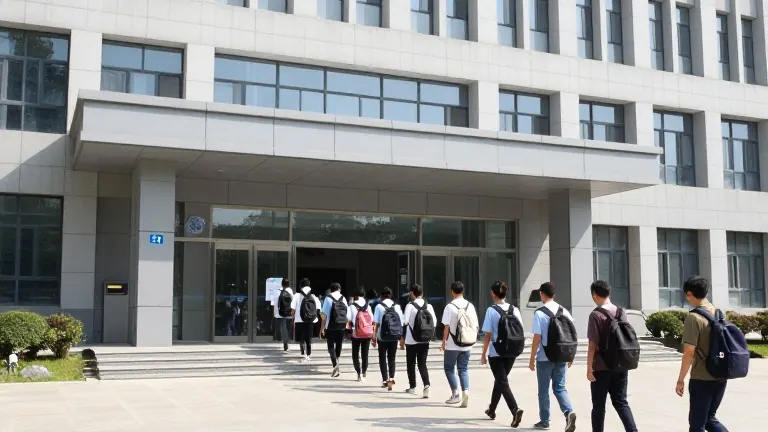
Students and staff at 17 public colleges and universities in Connecticut continue to operate under a centralized administrative structure that has not met its financial goals. Since 2011, the state has combined four universities, 12 community colleges, and one independent college into a single system known as Connecticut State Colleges and Universities. The merger was intended to cut costs and improve student outcomes, but a new review suggests the structural changes have created a persistent leadership vacuum.
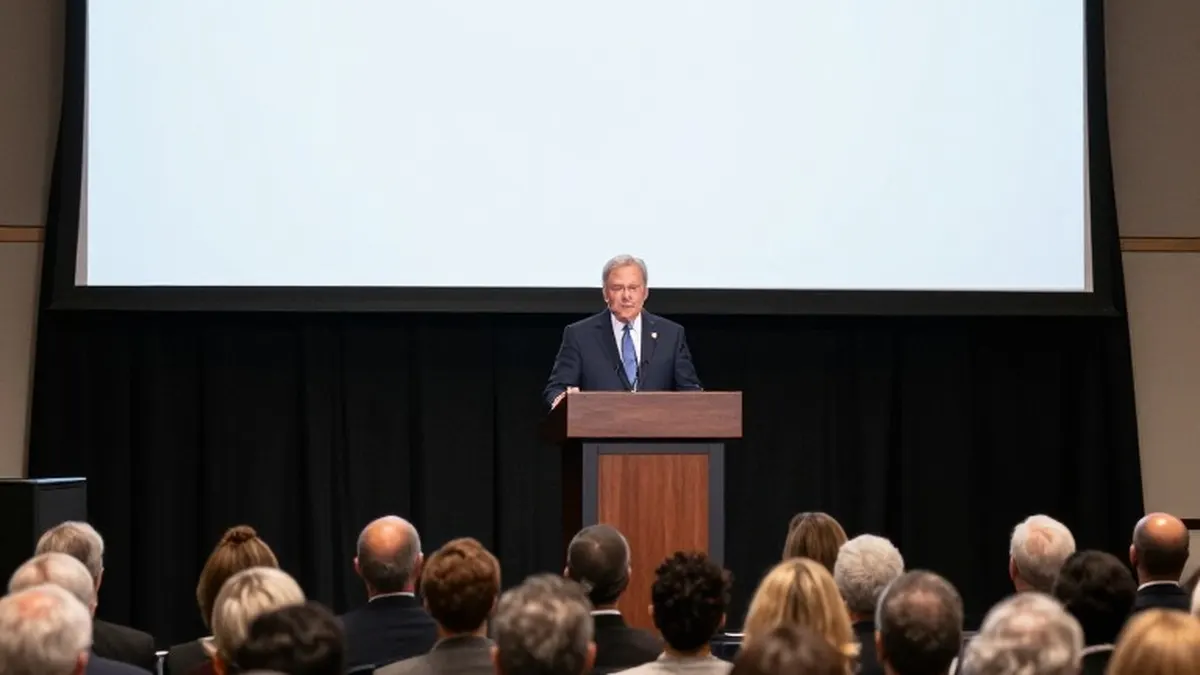
The system has experienced a high rate of executive turnover over the past year. Terrence Cheng resigned as chancellor in July 2025. His successor, John Maduko, who served as interim chancellor, resigned in April 2026. Following Maduko's departure, Karen Buffkin, the system general counsel, was suspended in May 2026. The Board of Regents, which oversees the system, also lost two key figures. Chair Marty Guay resigned in May 2026, and Vice Chair Juanita James resigned in September 2026. Zulma Toro, the president of Central Connecticut State University, also resigned in September 2026.
This recent wave of departures follows a long history of instability at the top. Robert A. Kennedy, the first president of the combined system, resigned after one year. Gregory Gray, his successor, lasted two years before faculty voted a vote of no confidence. Mark Ojakian led the system from 2015 to 2020, serving until he retired after initiating a merger of the 12 community colleges. Faculty at multiple campuses voted no confidence in each of these leaders.
The core of the issue lies in the funding model. Education spending in Connecticut is not a fixed cost. Fixed obligations, such as Medicaid, debt service, and retiree health care, consume more than half the state budget. Because these costs rise annually, state leaders often prioritize other agencies over public higher education. The central office in Hartford was designed to force savings by consolidating back-office functions. However, Governor Ned Lamont has stated that the merger has achieved zero savings to date.
Data from the system shows a shift in the workforce composition. From 2012 to the present, the number of full-time faculty declined by 11 percent. At the community colleges, this drop was steeper, reaching 14.3 percent. Between fiscal years 2013 and 2023, full-time classified staff numbers fell by 22.3 percent overall and by 38.3 percent at the community colleges. In contrast, part-time and contingent positions increased by 21.5 percent over the last three years. The number of managers increased by 22.8 percent during the same period, with a 35.9 percent rise at the community colleges.
Enrollment figures reflect the strain on the system. In spring 2026, total enrollment stood at 87.5 percent of levels from seven years prior. This figure lags behind the recovery seen at the University of Connecticut and private institutions. Since fall 2020, the four state universities have recorded higher full-time equivalent enrollment than the consolidated community college. Enrollment in non-credit courses at the community colleges dropped by 64.6 percent between 2017 and 2025.
A 2024 report on the new Connecticut State Community College identified bureaucratic inefficiencies and communication gaps. An evaluation commissioned by the Office of Policy and Management found that the Board of Regents is ill-equipped to provide necessary guidance. The report noted that the board, which includes 13 political appointees and two students, often lacks direct higher education experience. The system office withheld more than $600 million from constituent institutions, while spending approximately $100 million to replace the twelve community colleges with a single entity.
The system has spent nearly 8 percent of the state block grant on system-level bureaucracy. Francis Coan, a Professor of History Emeritus at Tunxis Community College and a former member of the Board of Regents Faculty Advisory Committee, argues that the current structure is fundamentally disordered. He suggests that the system needs to be rebuilt along the lines of the pre-2011 structure, which served students for decades. The incoming governor and General Assembly now face the decision of whether to restructure the system or continue with the current model.
The next step involves the appointment of a new chancellor and a new board of regents. The state will need to determine if the central office in Hartford and the sub-system office in New Britain will retain their current roles. Until that decision is made, the 17 institutions will continue to operate under the existing hierarchy, with key decisions on budget and personnel made by central administrators rather than campus leaders.