Trump Signs $2.6 Billion Thailand Deal Amid New AI Chip Restrictions
The president met with Quad leaders in Manila before heading to Shenzhen for a trilateral summit on nuclear non-proliferation.
By Sofia Suzuki ·
Thailand agreed to buy an estimated $2.6 billion in additional U.S. agricultural products as part of a preliminary trade deal signed Tuesday in Manila. The agreement, announced by President Donald Trump, also requires Thailand to eliminate all tariffs on U.S. exports and remove substantial non-tariff barriers affecting American vehicles, medical devices, pharmaceuticals, ethanol, and poultry.
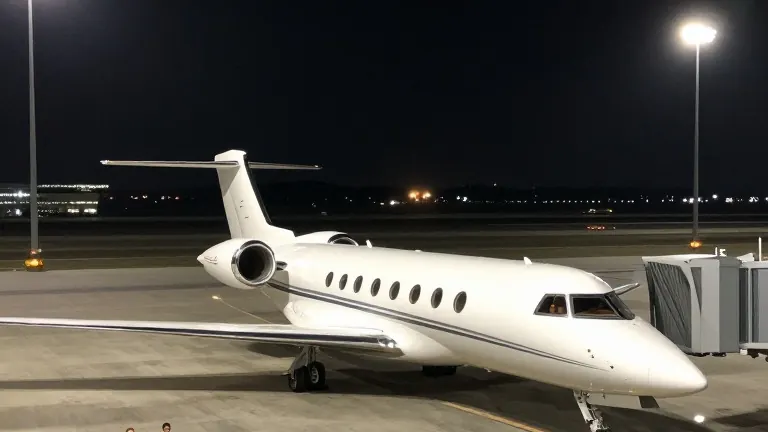
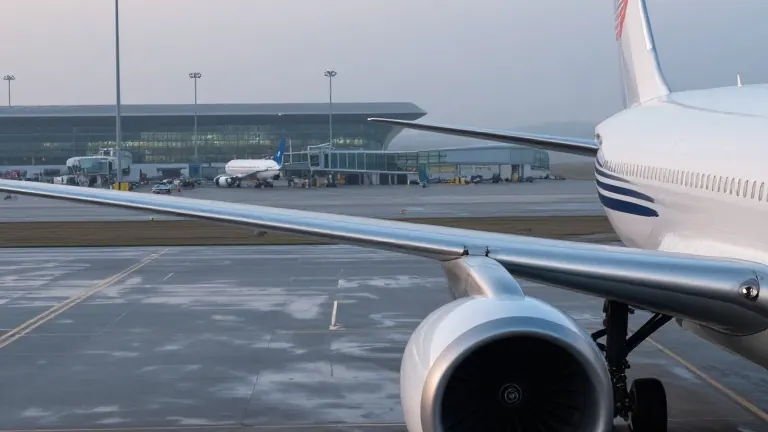
The signing occurred during the first day of a three-day Asia trip that began with Trump's arrival in the Philippines. President Ferdinand Marcos Jr. greeted the U.S. president with a ceremony on the airport tarmac. Trump stated that the deal lays the foundation for a stronger trading relationship, noting that eliminating tariffs was a long-sought goal.
After the trade announcement, Trump met with leaders from Australia, Japan, and India, the other members of the Quad. The group discussed artificial intelligence collaboration, maritime security in the Asia-Pacific region, and joint military exercises. Trump described the region as one of the world's most productive areas, filled with the potential of great friends of the United States.
The diplomatic schedule continues as Trump travels to Shenzhen, China, for the APEC Summit. While there, he will hold a separate trilateral meeting with Russian President Vladimir Putin and Chinese President Xi Jinping. Officials expect that session to focus on nuclear non-proliferation.
This travel coincides with new regulations from the U.S. Commerce Department. The rules require a government license for advanced AI chip sales to data centers in much of Asia. The administration aims to prevent China from indirectly acquiring advanced American technology through these regional data centers.