
IDF Plans to Cut Reserve Duty to 58 Days and Reduce Battalions in 2027
Israel's military says it will shrink its deployment from 75 battalions to 67 next year while keeping forces at more than double prewar levels and easing the burden on reservists.
By Hannah Takahashi ·
The Israeli military plans to reduce its deployment from 75 battalions to 67 in 2027 while shortening annual reserve duty to 58 days, officials said in a briefing on Wednesday, part of a broader effort to ease the strain on soldiers and reservists after more than three years of war.
Even after the reduction, the IDF would maintain more than twice as many battalions as it had before the Hamas massacre of October 7, 2023. The military had roughly 34 battalions before the attack, or as many as 38 by some counts. Along the Gaza border, where only four battalions were deployed when Hamas invaded southern Israel, the IDF intends to permanently station more than 10.
A central element of the plan is cutting the number of days reservists must serve each year. Many are currently called up for about 90 days annually, while others serve around 60. Under the proposed framework, that would drop to 58 days if security conditions allow. The military acknowledged that prolonged reserve service has placed significant pressure on families, workplaces and university students, though reservists would still serve substantially longer than they did before the war.
The IDF said its longer-term planning must balance three competing priorities: maintaining readiness for offensive operations, preserving defensive readiness, and efficiently distributing limited resources. After more than three years of sustained operations, officials said, the military can no longer organize its activities solely around the possibility of immediate combat.
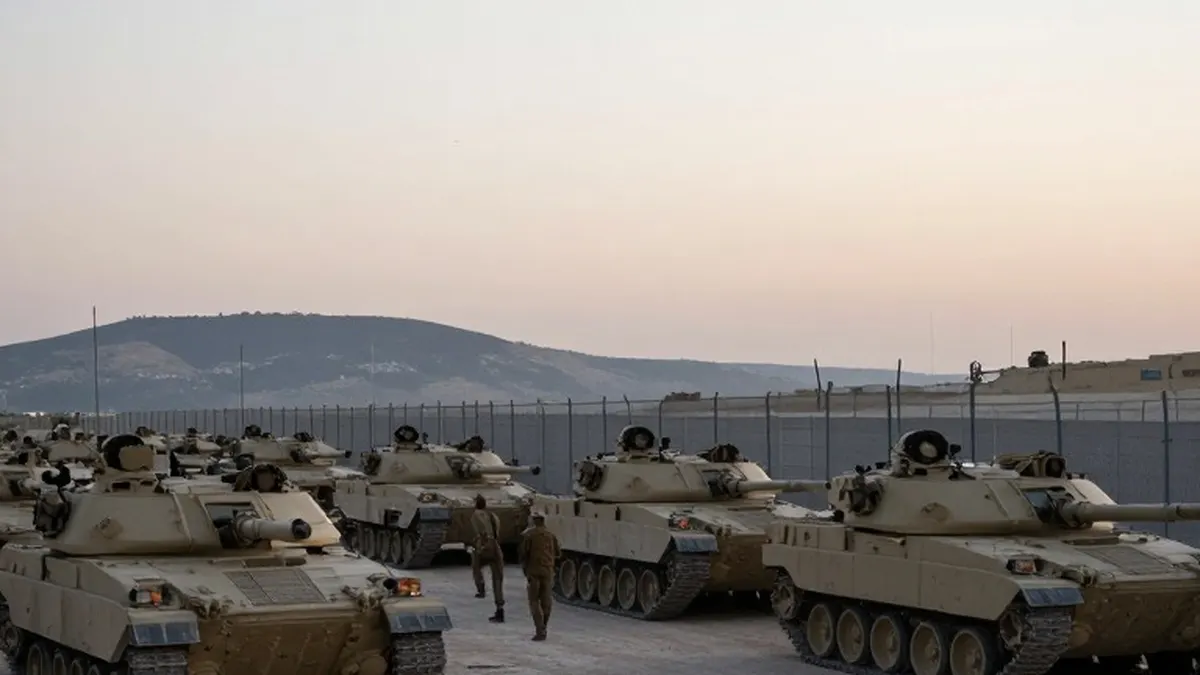
A major concern raised in the briefing was the deterioration of regular training. While soldiers have accumulated extensive combat experience, the military said operational experience cannot replace structured practice. The problem is especially visible in armored units: before the war, tank crews trained regularly on the same vehicles, but the military may now assign the same tank to three different units in a single day. Infantry and artillery units face similar challenges, and the IDF plans to increase training across multiple branches while cutting time spent on routine operational duties.
The military also intends to make greater use of periods of relative calm. During intense fighting, large numbers of soldiers are held in forward positions in case they are needed immediately, but during quieter stretches, such as the current ceasefire conditions in Lebanon, those troops could be assigned to training instead of static defensive duties.
Equipment wear is another growing challenge. The IDF said the high rate of operations since October 7 has accelerated wear on ground vehicles, aircraft and other platforms, shortening service lives and raising maintenance needs. The issue is particularly significant for the Israel Air Force, which has maintained readiness for potential operations against Iran while flying missions in multiple theaters. The military stressed that Israel does not have unlimited financial resources to sustain the current tempo.
Despite the planned drawdown, the IDF said it will continue operations aimed at deterring threats along Israel's borders, pointing to ongoing strikes against terrorist targets in Gaza and occasional operations in Lebanon. Officials cited the killing of two Hamas brigade commanders in Gaza during the preceding week as part of that effort. Syria was not specifically mentioned in the briefing.
Underlying the changes is a broader budgetary reckoning. The military said Israel has not returned to normal peacetime conditions and must keep a substantial presence across multiple fronts, but it cannot keep devoting such a large share of personnel, equipment and funds to immediate needs at the expense of long-term readiness. The 2027 plan aims to hold substantially greater defensive capabilities than before October 7 while creating room for training, recovery and preparation for future wars.