Nigeria Faces Surge in Electoral Violence Ahead of 2027 General Elections
Rising incidents of thuggery and attacks on political gatherings have raised concerns about the safety of voters and the credibility of the upcoming national polls.
By Hannah Takahashi ·
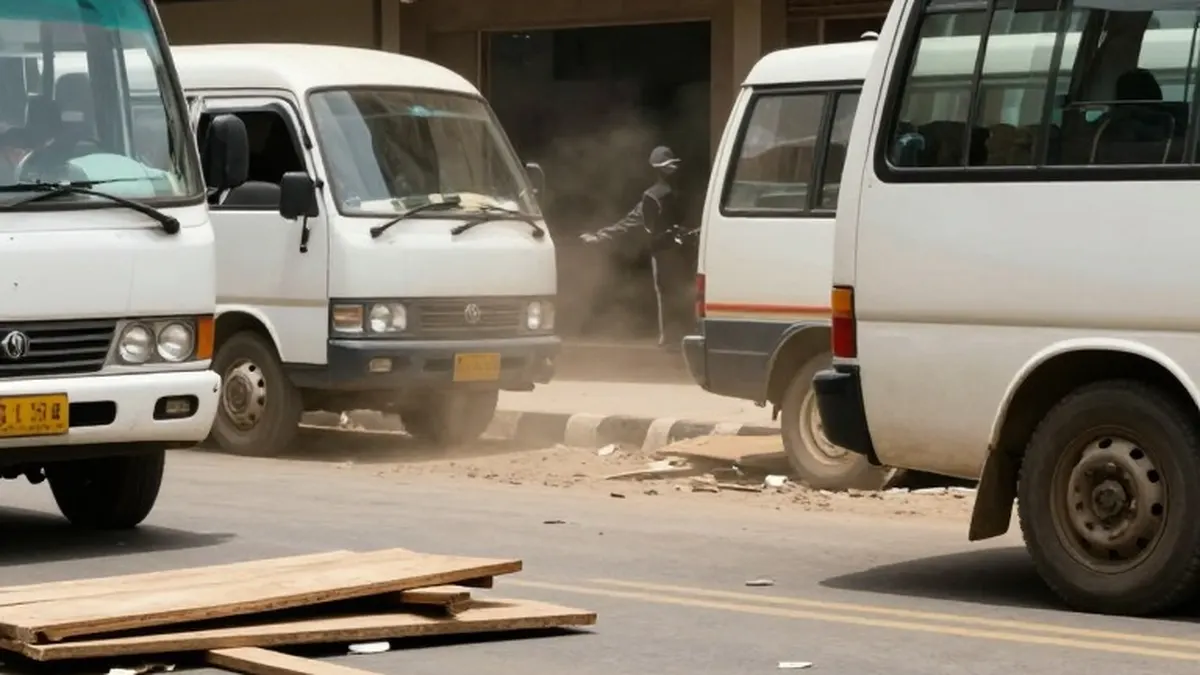
A routine media assignment in Lagos recently turned violent when armed men stormed a town hall meeting organized by the opposition National Democratic Congress. Samuel Adebanjo, a journalist for The Cable, was at the venue entrance photographing attendees when buses arrived and a loud bang was heard. He described how the attackers, wielding axes, cutlasses, and wooden planks, began chasing party supporters, forcing many to flee for safety.
Adebanjo attempted to hide in the parking lot but was spotted by five men who chased him down. Despite wearing a press jacket, they accused him of being a party cameraman and struggled to take his equipment. During the scuffle, he sustained a broken middle finger and internal rib injuries. He recounted that an axe strike missed his wrist only to hit his watch, a moment that signaled the seriousness of the threat and forced him to release his camera.
The incident has drawn attention to the escalating tension as Nigeria approaches the general election scheduled for January 16, 2027. Incumbent President Bola Tinubu is seeking re-election on a platform focused on reducing insecurity and addressing economic challenges. However, the frequency of violent disruptions at campaign events is fueling anxiety among citizens and observers alike.
Data from the National Peace Committee indicates that 109 breaches of the National Peace Accord have been recorded across the 26 states and the federal capital since the campaign began on August 19. The most common violations involve political violence and thuggery, accounting for 33 incidents, followed by misinformation and disinformation with 29 cases. These figures cover the period up to October 27.
Violence has affected high-profile political figures as well. On November 15, Rabiu Kwankwanso, the NDC vice-presidential candidate and former governor of Kano state, had his campaign convoy attacked in the Bichi area of Kano. Similar incidents occurred in Sokoto and Kebbi during visits by former Vice President Atiku Abubakar, highlighting the geographic spread of the unrest.
Civil society organizations, including Amnesty International, have condemned the trend of intimidation and called on security agencies to hold perpetrators accountable. President Tinubu has also issued warnings, stating that political thuggery that disrupts public order would not be tolerated. Analysts caution that if violence continues, it could undermine the credibility of the election and discourage voter turnout.
Raheem Mutiu, a researcher at Armed Conflict Location and Event Data, noted that the current pattern suggests political groups are determined to win by any means necessary. He reported that more than 30 politically linked attacks have resulted in 10 fatalities within the last two months. Mutiu emphasized that these attacks are becoming more frequent and widespread across the country.
The winner-takes-all nature of Nigeria’s multiparty system often fuels fierce competition, leading to a willingness to use force. Perpetrators often act anonymously or as proxies, making them difficult to identify. Mutiu added that the intensity of violence varies depending on the local stronghold and territorial dominance of different political supporters.
Dengiyefa Angalapu, a researcher at the Center for Democracy and Development, argued that voters choosing under threat are not making a free choice. He noted that non-physical breaches, such as hate speech and fake news, also undermine trust in information. With over 103 million registered voters for 2027, the country faces a challenge of low participation, having seen only 27% turnout in the 2023 elections.
Adebanjo is now recovering from his injuries but remains concerned about the safety of ordinary citizens. He questioned how much more vulnerable regular voters are compared to journalists and expressed doubt about whether people will feel safe enough to come out and cast their ballots in the coming months.