
Tehran Households Slash Spending as Inflation Hits 90 Percent
Rising costs force Iranians to cut back on meat, dining out, and savings, with a new survey showing how families are prioritizing basic survival over comfort.
By Julian Lee ·
Ordinary families in Iran are making hard choices at the grocery store and the dinner table. Many are giving up meat, skipping restaurants, and stopping their savings. A newly married woman in Tehran said her wedding fund is gone. The money went to a housing deposit instead. She now works two shifts to pay back a loan. She and her husband spend most of their day at work. "Our home has turned into the place we just sleep," she said. She noted that they feel poorer every single morning. She asked to keep her name private.
Her story is common. Living costs are rising fast. Households are rethinking what they buy. Food, housing, travel, and savings are all under pressure. Years of sanctions and high inflation have weakened the economy. The rial has fallen steadily. Hardship was a key driver of the protests in January. Authorities responded with a deadly crackdown.
The pressure has grown since late February. The United States and Israel started a war against Iran. Infrastructure took damage. Trade stopped flowing smoothly in both directions. A US naval blockade of Iranian ports cut oil exports and goods imports. Iran tried to control the Strait of Hormuz through attacks. This further hindered shipping. In August, the US Treasury started a new sanctions campaign. US officials called it "Economic D-Day." The goal was to isolate Tehran financially.
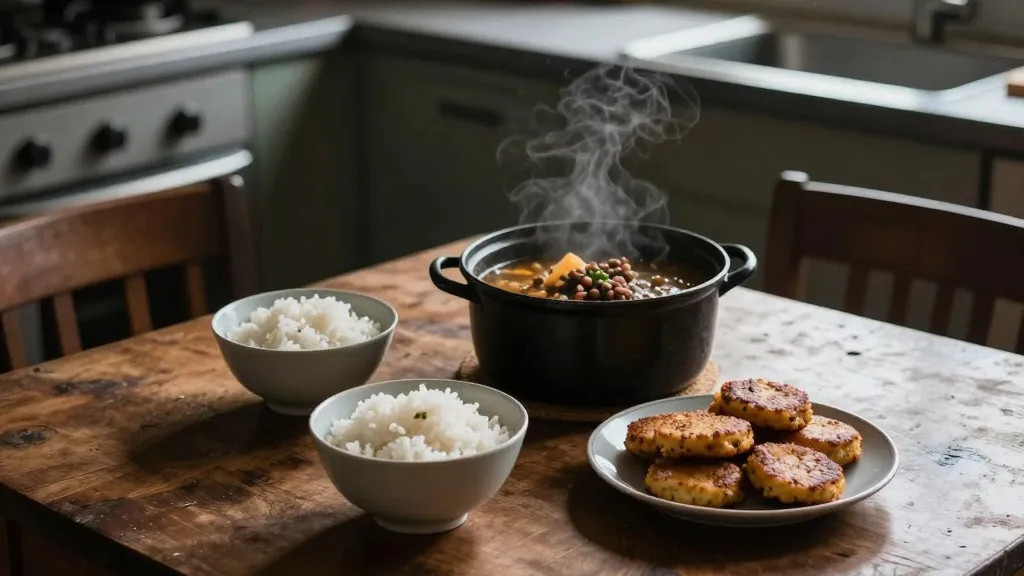
A field survey by Radio Farda in central Tehran shows the shift. Families are changing shopping priorities. They are deciding which necessities to skip. Middle-class activities are being abandoned. Cooking at home is now much more expensive. Making chicken and barberry costs nearly double what it did a year ago. A meal of ghormeh sabzi, the national herb stew, with rice costs 23 million rials. That is about $8.45. Potato patties called kookoo sib zamini cost about 4 million rials.
One woman said her family saves most meat and chicken for their children. The kids are still growing. She and her husband eat legumes and meat substitutes. They fear prices will rise more. They worry they will have to cut meat from the children's meals too. Factnameh, a fact-checking outlet based in Canada, estimated the cost of 11 essential food items. It was 56 million rials per person in September. That is about $20.70. For a family of three, it is over 168 million rials, or $61.70.
The government's food voucher is not enough. It is worth 10 million rials, or $3.67. This covers less than 18 percent of the per-person cost. In December 2025, it covered about 30 percent. Annual inflation hit 89.9 percent in September. The average monthly wage is estimated at around $100. Central Bank Governor Abdolnaser Hemmati spoke on October 23. He acknowledged the "heavy burden" Iranians bear. He said efforts to isolate the economy failed to hit their main goal.
A retired woman lives on a pension of 180 million rials a month. That is about $66. She has cut back on meat and other protein since March. March is when the Iranian year begins. She worries about her health. She feels lucky because she pays no rent. Those earning above average feel the strain too. A middle-aged man in western Tehran earns a billion rials a month. That is about $367. This is well above the average Tehran household income of 600 million rials, or $220.
Even with that income, he says he can only live for today. He has no savings for tomorrow. Travel, dining out, and saving are gone from his life. A 28-year-old woman in Tehran earns 400 million rials a month, or $147. She has changed how she socializes. She and her friends used to visit cafes weekly. Now they sometimes order one dish for two people. They split the bill. Sharing is the only way to make an outing affordable.