César Jáuregui Faces Treason Indiction After Deadly Border Clash
A former Mexican official may face up to four decades in prison for allegedly authorizing a joint drug bust with U.S. agents that resulted in four fatalities.
By Sofia Suzuki ·
A high-stakes legal battle has erupted in Mexico as former Chihuahua Attorney General César Jáuregui faces a potential treason trial, a charge that could reshape the boundaries of foreign influence in Mexican law enforcement. The tension centers on a disputed April operation that ended in tragedy, leaving two Mexican officials and two American agents dead in a ravine near the state’s mountainous interior. This incident has transformed Jáuregui’s resignation into a national controversy, pitting regional autonomy against federal control and testing President Claudia Sheinbaum’s firm stance on national sovereignty.
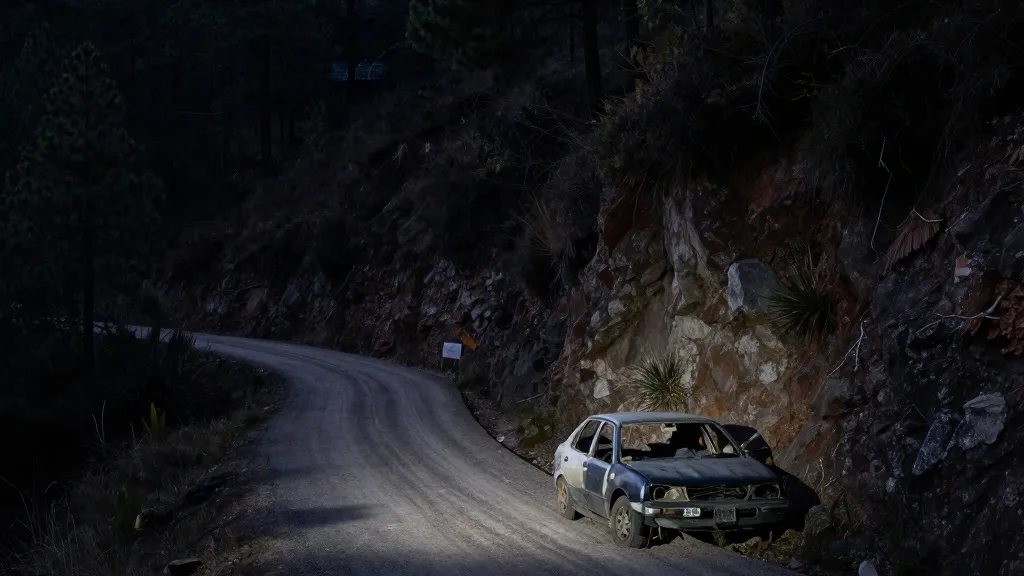
The core of the dispute involves the logistics and authorization of the April 19 raid on a major chemical drug laboratory in the municipality of Morelos. While the Chihuahua office announced the lab was dismantled, no arrests were made as suspects fled. On the return journey, a vehicle veered off the road, killing Pedro Román Oseguera Cervantes, the state investigation agency’s first commander, and Officer Manuel Genaro Méndez Montes. Jáuregui had publicly described the two Americans as instructor officers engaged in binational training, a claim that now faces intense scrutiny from federal prosecutors.
Federal authorities argue that Jáuregui endangered national security by allowing U.S. agents to participate in a field operation, a decision they claim is reserved strictly for the federal government. Prosecutors filed the treason charge after a state judge approved earlier charges for illegal exercise of public office. The defense, led by attorney Héctor Villasana, claims prosecutors seek an exemplary punishment to prevent a recurrence of scenarios similar to the recent removal of Venezuelan President Nicolás Maduro. A federal judge is scheduled to decide this Saturday whether to allow the treason indictment to proceed.
Legal experts remain skeptical of the treason count, noting that the crime is typically associated with wartime contexts. Samuel González, a former chief prosecutor for organized crime, suggests Jáuregui may have failed to inform federal authorities or improperly allowed foreign agents to carry weapons, but he argues this does not meet the threshold for treason. Carlos Pérez Ricart of CIDE university views the case as a political move ahead of the 2027 midterm elections. He warns that the proceedings send a negative signal to Washington, even if the charges are eventually dismissed, highlighting the complex diplomatic dynamics at play.
Accounts regarding the identity and status of the deceased Americans remain inconsistent, adding to the confusion. U.S. Ambassador Ronald Johnson referred to them as embassy personnel, while multiple sources familiar with the matter identified them as Central Intelligence Agency agents. The CIA has declined to comment, and Mexico’s security ministry stated that one entered as a visitor and the other on a diplomatic passport, with neither holding formal accreditation for operational tasks. President Sheinbaum has asserted that none of the agents had permission to operate in Mexico, and two other U.S. agents traveling separately have already been expelled.
The case highlights a broader shift in how Mexico manages its security partnerships. Under former President Andrés Manuel López Obrador, U.S. agency activities were limited, and Sheinbaum has since amended the constitution to bar field operations without express authorization. Pérez Ricart notes that such operations have frequently occurred without federal knowledge, creating a risk of abuse. As the federal judge deliberates, the outcome will serve as a critical test for the new constitutional rules and the future of binational security cooperation in the region.