Whistleblower alleges warnings ignored in deadly Kuwait drone strike
A wounded US soldier claims senior officials dismissed repeated alerts about vulnerabilities at the Port of Shuaiba before an Iranian drone killed six service members.
By Hannah Takahashi ·
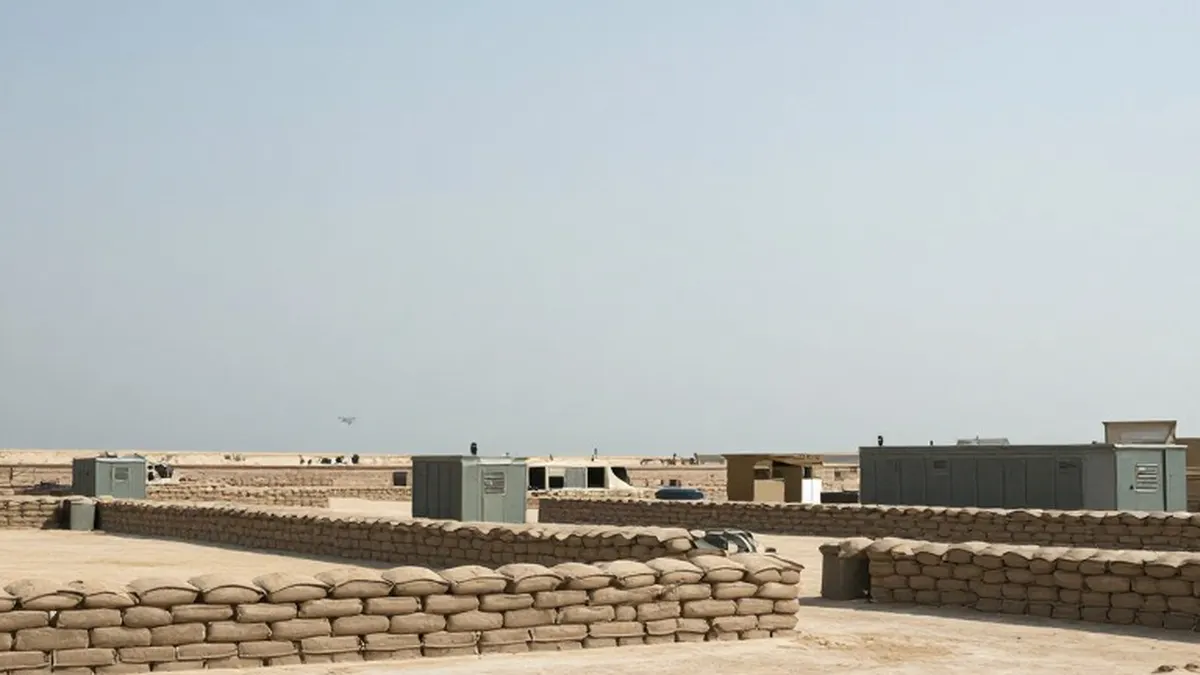
A wounded American soldier has filed a formal whistleblower complaint alleging that senior military leaders ignored critical warnings about air defense gaps before a deadly Iranian drone attack in Kuwait. The incident, which occurred within the first 48 hours of the US-Israel war on Iran, remains the most lethal assault on US forces since the conflict began.
The 14-page letter was submitted on Friday to the House and Senate Armed Services committees. Al Jazeera English obtained the document on Tuesday. The complaint details how an Iranian one-way attack drone evaded air defenses at a military outpost, killing six service members and injuring dozens of others, including the whistleblower.
According to the complaint, the army repeatedly dismissed concerns regarding the vulnerability of the Port of Shuaiba to drone strikes. The soldier noted that while the site had been fortified, it lacked a protective roof. The document states that the drone threat was raised directly with the commanding general of the 1st Theater Sustainment Command at least three times in the week before hostilities began.
The whistleblower emphasized that each warning was dismissed by command. This lack of precaution, the soldier argues, left the installation exposed to low-flying threats that standard air defense systems might struggle to detect.
Beyond air defense, the complaint highlights severe deficiencies in medical readiness at the installation. The soldier alleges that the site had no physician, no fixed aid station, and only one ambulance available. The whistleblower claims that at least one of the service members who died could have survived if adequate medical support had been present on the ground.
The Department of the Army states that it has completed its investigation into the Port of Shuaiba attack. However, the findings have not yet been released to the public. The Pentagon did not immediately respond to a request for comment regarding the specific allegations in the whistleblower’s letter.
In the immediate aftermath of the incident, Defense Secretary Pete Hegseth held a news conference. He described the drone as a “squirter” that “happened to hit a tactical operations centre that was fortified.” This characterization contrasts with the whistleblower’s account of systematic ignored warnings and infrastructure gaps.
Senior military leaders have since acknowledged that Iran’s Shahed attack drones have inflicted more damage on the battlefield than initially anticipated. These drones are known for flying low and slow, which makes them difficult to intercept with traditional high-altitude air defense systems.
Tehran has consistently targeted US and allied assets using a combination of attack drones and ballistic missiles throughout the conflict. As a result of these ongoing strikes, more than 23 American service members have been killed since the war commenced.
The whistleblower’s account adds a layer of internal scrutiny to the military’s operational decisions in the early stages of the war. The complaint suggests that better preparation and medical infrastructure could have mitigated the loss of life in what is currently the deadliest incident for US forces in this conflict.