Saudi forces reinforce Aden defenses as Yemeni front lines shift
Reinforcements arrived near Tur al-Baha to protect the port city, while Houthi officials reported strikes in Sanaa and Hodeida that left at least nine dead and 22 wounded.
By Sofia Suzuki ·
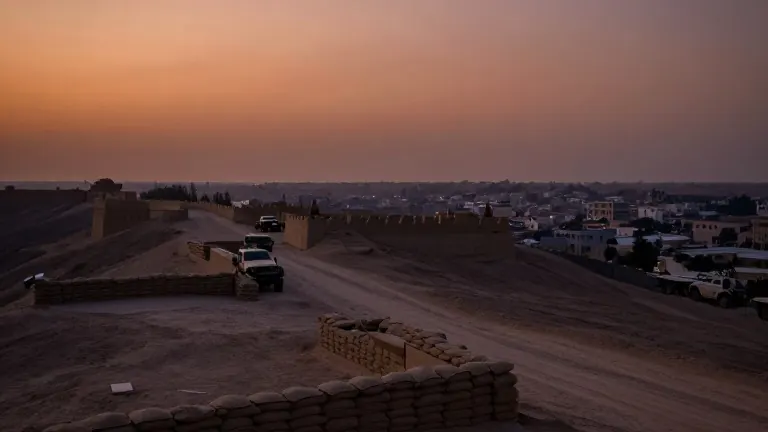
Saudi-backed government forces moved additional troops and equipment into the Tur al-Baha district on Tuesday. The deployment aims to prepare for a potential major offensive by Iran-backed Houthi rebels. Two Yemeni military officials, who spoke on condition of anonymity because they were not authorized to brief the media, confirmed the movement of assets to the area.
Tur al-Baha serves as the primary defensive perimeter for the port city of Aden, which lies approximately 85 kilometers to the south. The Houthis have historically identified this district as a key strategic target. While rebel spokespersons have repeatedly stated they do not intend to attack Aden directly, the buildup of government forces suggests a heightened state of readiness along the front lines.
The reinforcement follows a tactical withdrawal by Saudi-backed forces from areas near the Bab el-Mandeb Strait over the weekend. The government-aligned troops retreated to avoid being encircled by Houthi units. This maneuver has allowed the rebels to tighten their control over the vital Red Sea shipping corridor while the government concentrates its resources on securing Aden.
Houthi media outlets reported that airstrikes struck the capital of Sanaa on Tuesday evening. Al-Masirah TV, which is controlled by the rebels, attributed the attacks to Saudi Arabia. The Associated Press was unable to independently verify the claims or identify the specific targets of the strikes. Saudi Arabia had not issued an immediate response to the reports as of the time of publication.
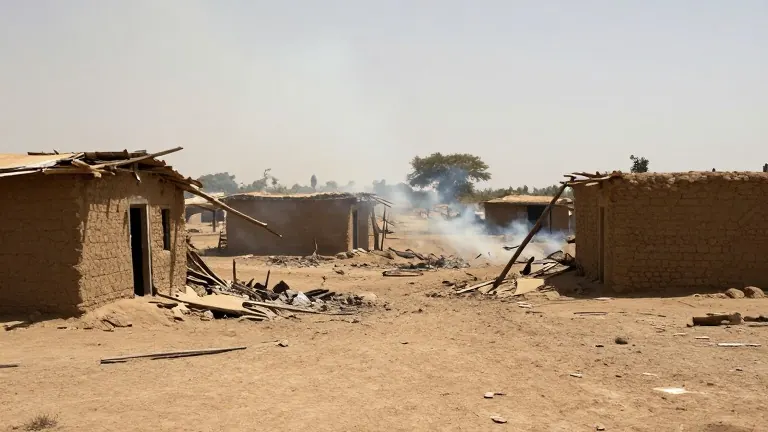
Houthi health ministry spokesperson Anees al-Asbahi provided specific casualty figures for earlier strikes that day. He stated that an attack on a sponge factory in the port city of Hodeida killed at least seven people and wounded nine others. The spokesperson also reported that a strike in the northern province of Saada killed two individuals. Additionally, attacks on a shoe factory in Sanaa and a location in the Wadi Al Gabara area of Kitaf District resulted in 13 more injuries.
In a separate development, the United States retaliated against an Iranian drone attack on a U.S. radar installation in Bahrain. A U.S. official stated that American forces struck a missile launch site in the Strait of Hormuz belonging to Iran’s Revolutionary Guard. This was the third Iranian drone attack on U.S. military assets in the Persian Gulf kingdom in recent days. Bahraini officials said their air defenses intercepted the incoming drones, and the U.S. military reported no damage to equipment or injuries to personnel.
Iraq’s Oil Minister Bassem Mohammed Khudair al-Abadi announced that the country has resumed pumping crude oil through a pipeline to Turkey. The initial capacity is set at 120,000 barrels per day, with plans to gradually increase output to 500,000 barrels per day. The pipeline, which has been largely idle since 2023 due to commercial disputes, was reactivated following an agreement signed in August to boost exports to the Mediterranean port of Ceyhan.
The resumption of flow is part of an effort to strengthen Iraq’s export infrastructure following disruptions to shipping through the Strait of Hormuz caused by the U.S.-Iran conflict. Meanwhile, Iran’s foreign minister Abbas Araghchi condemned the U.S. State Department’s offer of up to $20 million for information on Iran’s nuclear program. Araghchi argued in a letter to the United Nations that the reward encourages espionage and puts nuclear scientists at risk, potentially complicating inspections by the International Atomic Energy Agency.
Diplomatic tensions also extended to Europe, where the United Kingdom imposed sanctions on Israeli property and development companies involved in West Bank settlement expansion. Israeli Foreign Minister Gideon Sa'ar described the move as a hostile act targeting private companies. Australia followed with similar sanctions on three Israeli individuals and four organizations, including the Nachala Movement led by Daniela Weiss. Australian Foreign Minister Penny Wong stated that the actions were taken because rapid settlement expansion is extinguishing the possibility of a two-state solution.