Texas Hispanic Approval of Trump Drops by 10 Points in New Polls
Recent surveys indicate a majority of Hispanic voters in the Rio Grande Valley now favor Democrats over Republicans, reversing a record 2024 shift.
By Hannah Takahashi ·
Recent polling data released in late summer shows a majority of Hispanic voters in Texas now disapprove of President Donald Trump. These surveys indicate that the demographic favors Democratic candidates over Republicans by a double-digit margin. This shift represents a departure from the 2024 presidential election, where Trump secured a record 55 percent of the Hispanic vote in the state.
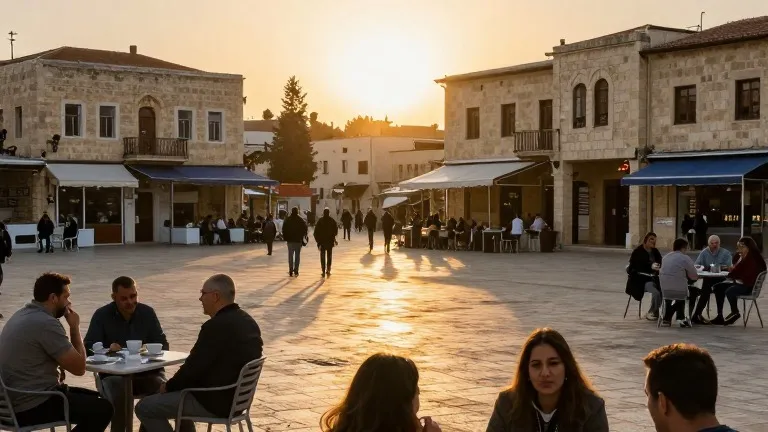
The change is particularly acute in the Rio Grande Valley, a region that delivered an unusually strong Republican performance among Hispanic voters last year. Current estimates suggest the area could see a swing back toward the Democratic Party ahead of the midterm elections scheduled for November 3. The political landscape here is defined by the tension between border security achievements and the economic impact of immigration enforcement.
Government figures obtained by the Deportation Data Project reveal that Texas accounted for roughly one-third of all Immigration and Customs Enforcement arrests nationwide in July 2026. This share is larger than that of any other state. While the administration has reduced border crossings to their lowest levels in decades, local leaders argue the enforcement tactics are straining the community.
Javier Villalobos, the Republican mayor of McAllen, described the local sentiment as complicated. He credited the administration with securing the border but noted that most residents accept the deportation of criminals. Villalobos said the friction begins when productive, law-abiding people are removed. He expects a competitive race in November despite the polling numbers.
Mario Guerrero, a Mexican-American businessman and head of the South Texas Builders Association, voted for Trump in three consecutive elections. He plans to vote for a Democrat in the upcoming midterms. Guerrero cited a lack of clarity on how far the administration would go with its crackdown. He described an acquaintance whose crew of 35 daily workers has shrunk to four or six regulars, illustrating the labor shortage felt by local contractors.
Republican consultant Mike Madrid noted that Latino voters are more likely to identify as independents than any other demographic group. This characteristic makes them susceptible to shifting based on immediate economic conditions rather than party loyalty. The cost of living ranks as the top concern for many of these voters, a theme visible at local events such as the regional avocado festival.
In Texas's 15th congressional district, the map was redrawn in 2025 to give Republicans an assumed 18-point majority. Current polling, however, shows a Democratic lead of five to six points. Democratic candidate Bobby Pulido, a Tejano singer and two-time Latin Grammy winner, has avoided the national party brand to focus on local economic issues. Pulido told supporters that the region is distinct from major coastal cities.
Republican campaigners acknowledge the difficulty of the current environment. Student volunteer Alexis Uscanga described the midterm elections as a game of turnout. Tano Tijerina, the Republican candidate for the neighboring 28th district, admitted that national political headwinds are real. He credited Trump with breaking through barriers on immigration but recognized the challenge ahead.
If the current polling trends hold, a modest swing back to the Democrats could reshape the state's political map. A shift in the Rio Grande Valley could be sufficient to put a US Senate seat in play. Democrats have not won a Senate seat in Texas in more than 30 years, making the current dynamics a focal point for national parties.
More Politics · World news · Report a business · Got a Story?