Syria envoy blames captagon cash for arming Sweida militias
Tom Barrack says drug revenue funds weapons in the south while a Druze leader pushes for independence from Damascus.
By Julian Lee ·
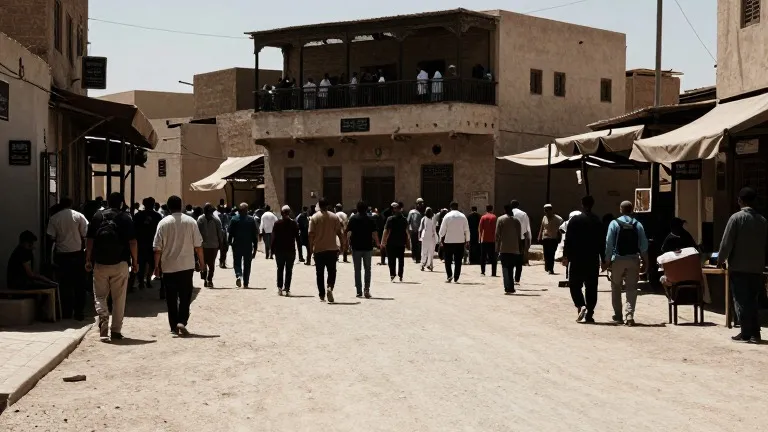
US Special Envoy Tom Barrack accused a leading Druze cleric in southern Syria of using drug money to equip local armed groups. Speaking in an interview published on X on Friday, Barrack argued that the captagon trade acts as the primary engine for the region's militia funding.
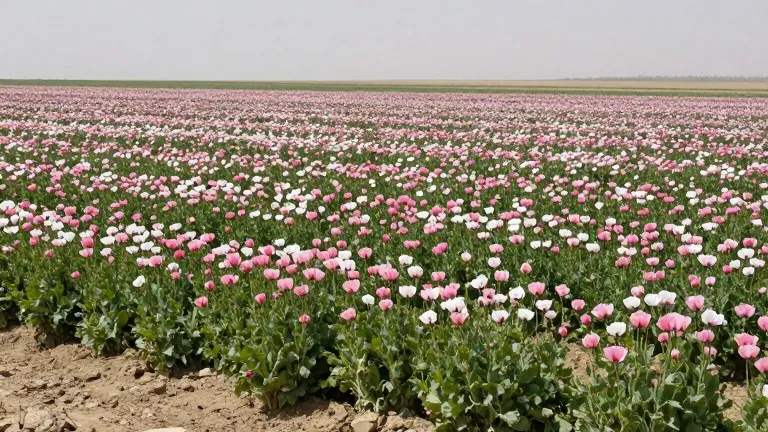
The envoy, who also serves as the US ambassador to Turkey, linked the financial flow of the illicit drug to the military capabilities of factions in Sweida province. He identified the corridor between Sweida and Daraa as a major production zone for the substance, comparing its scale to the manufacture of methamphetamine.
Barrack directed his criticism at a specific sheikh who opposes the authority of the central government in Damascus. Although the envoy did not use the name in the interview, his comments align with the rise of Hikmat al-Hijri. Al-Hijri has called for full independence from Syria and has publicly sought support from Israel.
Tensions escalated earlier this month when supporters of al-Hijri displayed Israeli flags during a rally in Sweida. The gathering coincided with the third anniversary of the October 7, 2023 attacks, a symbolic moment that intensified the political split within the Druze community.
In a formal response, the Bashan administration, which is affiliated with al-Hijri, rejected Barrack's claims. The group stated that Jabal Bashan is not a center for captagon production. They noted that their community has historically fought against smuggling networks and has paid a heavy price, including the lives of many young men, to combat the trade.
Al-Hijri declared in May 2026 that the push for self-determination is irreversible. His goal is to establish a fully independent administration for Jabal Bashan that operates entirely separately from the government in Damascus. This move has increased scrutiny on the region's internal dynamics and its ties to neighboring powers.
Barrack rejected the idea that Washington explicitly supports the sheikh, calling such claims wrong. He argued that Israel has framed its military actions in southern Syria as efforts to protect the Druze. This includes strikes against Syrian government forces in Sweida in July 2025.
The envoy observed that Syria has shown restraint in response to these incursions. He warned that aggressive retaliation could lead to a wider conflict. Damascus has allowed Israel to maintain a perceived buffer zone while the Druze conduct themselves in ways some view as provocative.
Barrack expressed confidence that Israel and Syria will reach a final understanding. He noted that Syrian President Ahmed al-Sharaa has stated he does not want a confrontation with Israel. However, Israel remains wary of Sharaa's past as a fighter with the al-Nusra Front and the presence of foreign fighters near the border.
The two nations have held five rounds of border and boundary talks since the process began in Paris in May 2024. Barrack said he believes the parties are on a path to a final agreement, despite the ongoing mistrust along the shared border.