Libya ratifies $100 billion Turkish sea pact
The unanimous parliamentary vote creates a direct economic corridor between the two nations while ignoring Greek island claims in the eastern Mediterranean.
By Sofia Suzuki ·
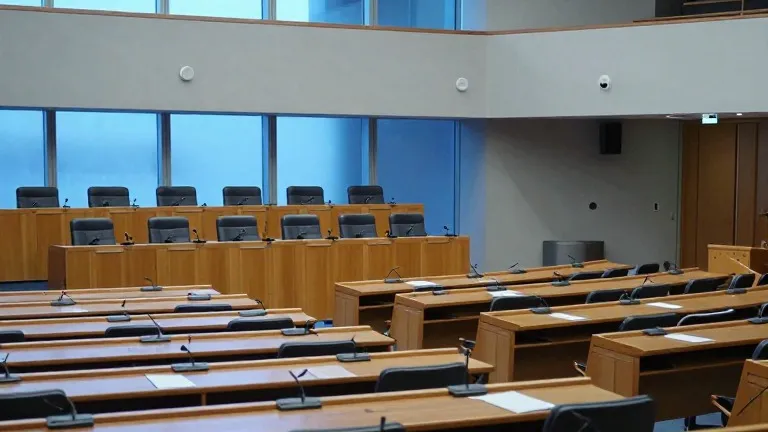
Libya’s parliament voted unanimously on Tuesday to approve a maritime agreement with Turkey. The legislation establishes a direct economic corridor linking the southern coast of Turkey with the northern coast of Libya. Ankara welcomed the ratification, marking a major shift in the country’s diplomatic and economic strategy.
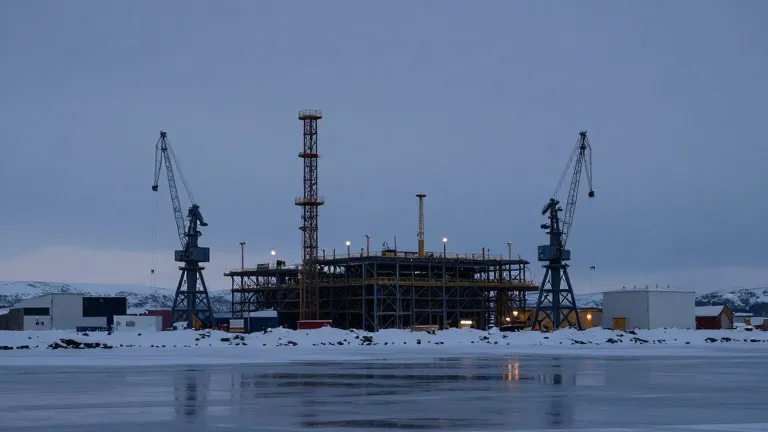
The corridor covers waters where large oil and gas deposits were recently discovered. Estimates suggest the seabed holds natural gas reserves worth several hundred billion US dollars. Both governments intend to secure their rights to these resources and develop them jointly. The deal reverses the position of the eastern parliament, which had opposed the corridor when it was first signed in 2019 by the UN-recognized government in Tripoli.
Athens has firmly rejected the accord, stating that it violates the sovereign rights of third states. Greece’s Foreign Ministry said on X that the European Union considers the memorandum null and void because it is inconsistent with the Law of the Sea. The planned route ignores Greek islands, including Crete, Karpathos, and Rhodes. Athens argues these islands hold comprehensive exclusive economic zone rights under international law.
Kaja Kallas, the EU’s high representative for foreign affairs and security policy, also condemned the vote. She wrote on social media that the agreement infringes upon the sovereign rights of third states. Greece relies on Article 121 of the UN Convention on the Law of the Sea, which grants inhabited islands the same territorial rights as mainland territory. Ankara, which never signed the convention, argues that Mediterranean geography requires special consideration to prevent Turkey from being cut off from the open sea.
The political landscape in Libya has changed since the 2019 civil war, when Turkey militarily supported the Tripoli government against General Khalifa Hifter’s forces in the east. Turkish firms have since won billions of dollars in reconstruction contracts, and the state oil company TPAO is planning seismic surveys with Libya’s National Oil Corporation. Turkey also supplies weapons and training to Hifter’s forces, countering Egyptian and Russian influence in the region.
The new corridor threatens the planned EastMed pipeline, which was designed to transport gas from Israel and Cyprus through Greece to the EU. Turkey argues that any cable or pipeline projects on its claimed continental shelf require its consent. The development may split the region into two economic blocs: a Turkey-Libya axis and a grouping of Greece, Cyprus, Egypt, and Israel supported by the EU.
More Business · World news · Business Watchdog · Report a business · Got a Story?