Nas Daily brings AI debate and Israel advocacy together at Jerusalem summit
Nuseir Yassin’s Jerusalem conference combined discussions about artificial intelligence with support for Israel and debate over the region’s future.
By Hannah Takahashi ·
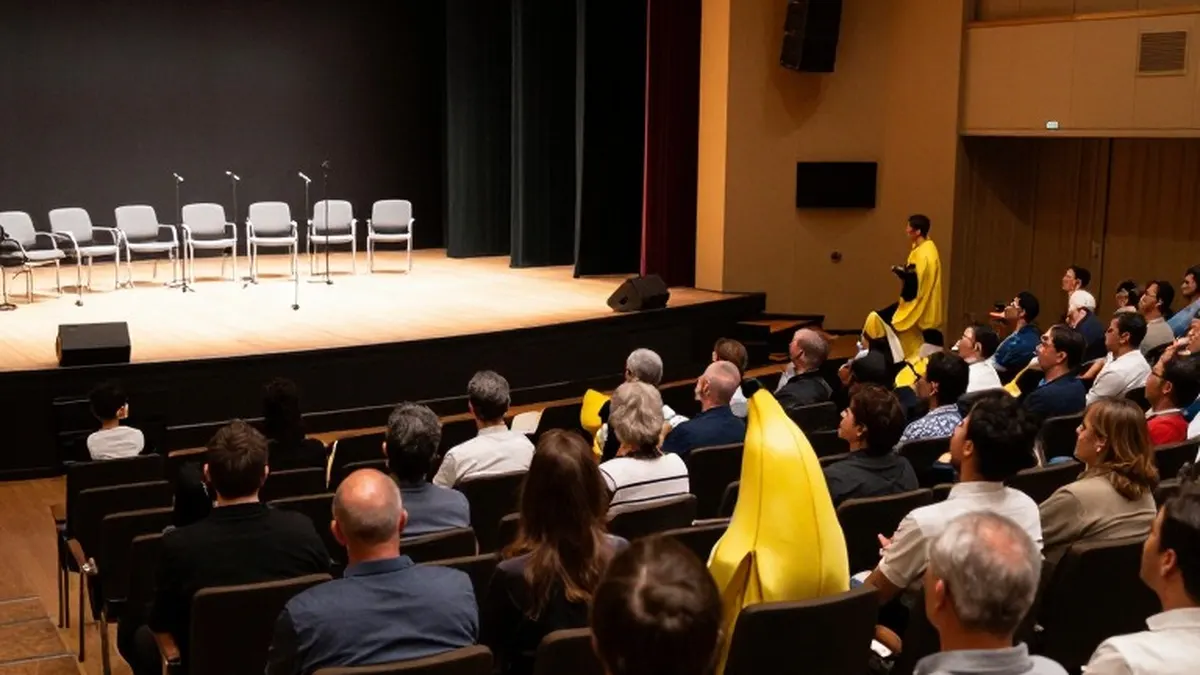
Artificial intelligence shared the spotlight with Israel advocacy at the Nas Summit in Jerusalem on November 11, as entrepreneur Nuseir Yassin gathered technology executives, online creators and public figures for a one-day conference. Around 1,000 people attended the event at the Jerusalem Theatre, where some participants wore banana suits and superhero costumes.
Yassin, the Arab Israeli creator of the Nas Daily travel vlog, organized the gathering in cooperation with Israel’s Foreign and Tourism ministries. Speakers included President Isaac Herzog, Mobileye founder Amnon Shashua, Mellanox founder Eyal Waldman and former hostage Omer Shem Tov. Organizers said the participating content creators had a combined social media audience of more than 90 million.
The program reflected Yassin’s increasingly public engagement with the Israeli-Palestinian conflict since the Hamas attack on October 7, 2023. A Muslim who grew up in Arraba in northern Israel and now lives mostly in the United States, he recalled declaring his Israeli identity first after the attack. Asking Herzog whether speaking out had been “stupid or genius,” Yassin received an unequivocal endorsement. Herzog called it “the right moral decision first and foremost.”
Yassin also described feeling welcome in only about 20 countries because of his Israeli passport, a sharp constraint for someone whose career was built on international travel. His family attended the summit, as did his girlfriend, Jewish American writer and influencer Aija Mayrock. She discussed criticism of their relationship from people who believed dating a Muslim conflicted with her work documenting Jewish communities, while crediting Yassin with encouraging that work.
Foreign Ministry representatives explained how they were adapting their online messaging to attract younger audiences. Michael Freeman, until recently Israel’s ambassador to Nigeria, and digital diplomacy chief Mordechai Rodgold discussed giving the @Israel account on X a more irreverent voice. One post about surviving empires and a comments section drew more than 42 million views. The officials acknowledged that the approach had provoked objections inside and outside the ministry.
Regional peace was another recurring subject. Israeli-American creator and activist Rudy Rochman argued that Israelis and Palestinians needed to accept that both populations would remain. Shem Tov joined Yassin and Bahraini peace activist Fatema Alharbi for a discussion about whether Israel had fought its final war. Herzog stressed the importance of willing partners for peace and confronting Tehran, while also arguing that Israel should rank among the world’s top three countries in AI.
For attendees working with AI, the conference offered both possibilities and concerns. Tzvi Feifel, a co-founder of the free professional community Agentic Israel, wanted insights into attracting attention online as automatically generated material proliferates. Modi’in lawyer Yitzy Hammer described excitement about tools that complete lengthy tasks in seconds alongside anxiety about employment, particularly the prospects for junior lawyers. He said the morning’s presentations left him more confident that people could adapt.
Appearing virtually, television psychologist Phil McGraw praised Israel but warned against depending on chatbots for psychological support, especially during suicidal crises. Other attendees were drawn chiefly by the creators themselves. Nepalese caregiver Suman BK said tickets priced between 499 and 999 shekels represented a substantial expense, but he valued the opportunity to meet people he had followed for years. The gathering ended with dancing and a performance by Israeli band Yemen Blues.