Lula's beach rally tests historic odds as Brazil's vote narrows
With 159 million voters set to decide a dead heat on Sunday, campaign crowds in Rio and Belo Horizonte signal a tense final push.
By Julian Lee ·
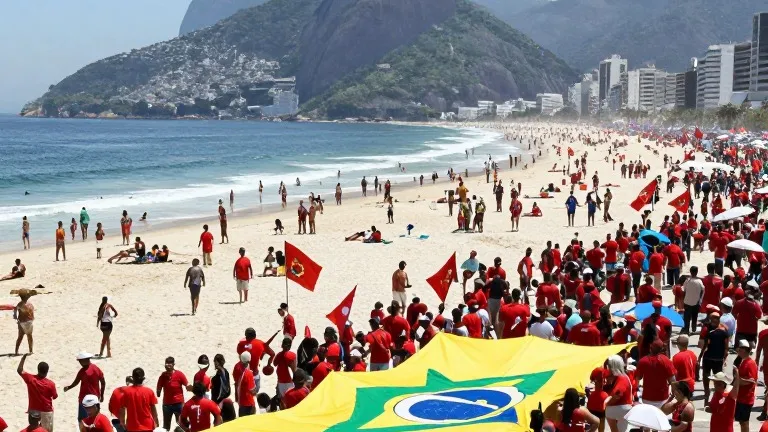
Brazilian President Luiz Inácio Lula da Silva faces a historic challenge on Sunday, seeking to become the first candidate since the 1980s to win a presidential runoff after losing the first round. Tens of thousands of supporters filled Rio de Janeiro's Copacabana beach on Saturday, aiming to provide momentum in a campaign that polls show is effectively tied.
The contest involves nearly 159 million eligible voters. In the first round held on October 4, far-right rival Flávio Bolsonaro captured 47% of the vote compared to Lula's 45%. Most analysts currently view Bolsonaro as the slight favorite, a position bolstered by his father's legacy as president from 2019 to 2022. Flávio Bolsonaro has positioned his platform around a strict approach to violent crime, a message that resonates with many voters despite recent scandals.
However, Lula has gained ground in recent days. Last week, the magazine Piauí reported that Flávio Bolsonaro attended a boat party with sex workers and vaccine lobbyists during the peak of the 2020 coronavirus outbreak. This development has contributed to a shift in polling numbers, giving the incumbent a chance to close the gap before the final vote.
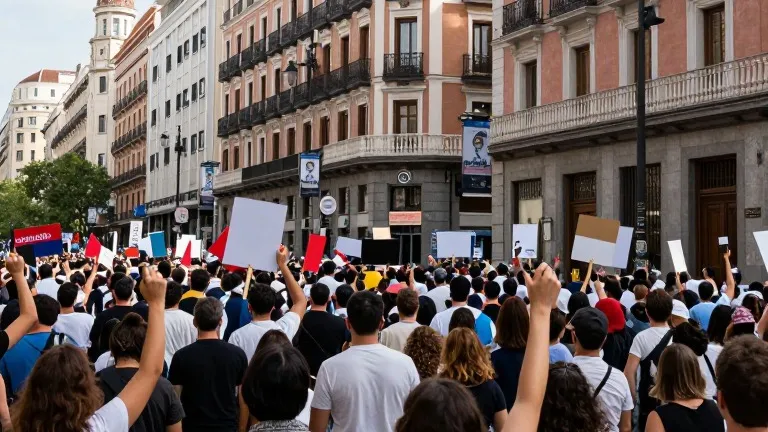
On Copacabana, supporters dressed in red moved through the 2.5-mile stretch of sand in a procession described as carnival-like. Activists displayed a large banner reading "WE ARE GOING TO TURN THIS AROUND!" Josias Silva, a 61-year-old truck driver, held a sign predicting Lula would win more than 60% of the vote. He stated that the large street protests indicate "the people have woken up," though current polls suggest the margin of victory will be much narrower.
For many in the crowd, the election carries stakes beyond standard political shifts. Jair Bolsonaro is serving a 27-year prison sentence for plotting a coup after the 2022 election. Some democrats fear his son's victory could lead to his release or a return to power, with press reports indicating jailed plotters may receive senior military and police posts. Restaurateur Marta Moraes, 59, said she opposed "Bolsonarismo" specifically, citing the loss of four relatives during the pandemic.
The mobilization effort has been extensive, with many marchers part of "Lula's Army," a WhatsApp group of 10 million members created after the first round. Isabella Gaze, a 64-year-old retired teacher, described the election as unusual. DJ Cammy Marinho, 49, spent the previous two weeks attempting to persuade Bolsonaro supporters and abstainers to change their minds. Heitor Lopes da Silva, 14, traveled from Duque de Caxias in a wheelchair to show support.
In Belo Horizonte, the capital of Minas Gerais, Bolsonaro's backers gathered in the Praça da Liberdade. Wearing yellow jerseys and waving Brazilian and US flags, thousands of supporters highlighted the importance of the state, which holds the country's second-largest electorate. Bolsonaro led this key bellwether state by just under 5% in the first round. Antonio Carlos Costa Jr., a 59-year-old shooting club owner, argued that Jair Bolsonaro's gun laws allowed citizens to defend themselves, a view Lula's supporters challenge given his ties to Rio's paramilitary militias.