Lula and Flávio Bolsonaro Compete as Brazil's Service Jobs Reshape Political Map
With factories closing in cities like Osasco and 33 million Brazilians staying home, the presidential runoff hinges on a workforce that no longer looks like the industrial base that elected Lula in 2022.
By Sofia Suzuki ·
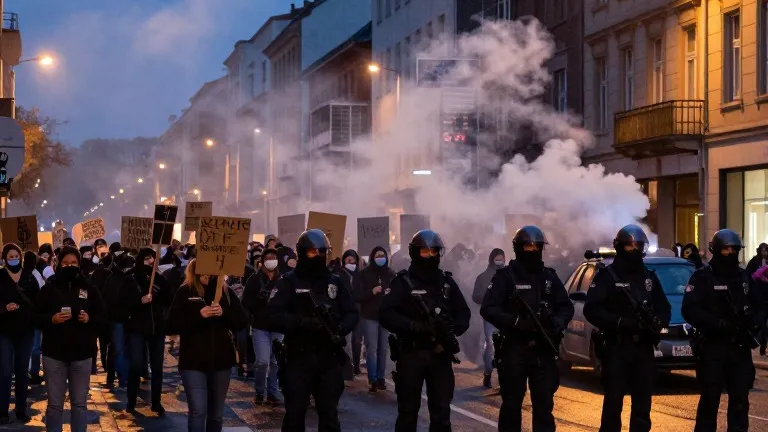
Brazilians will cast ballots for president on Sunday in a final contest between incumbent Luiz Inácio Lula da Silva and Flávio Bolsonaro. The race is being defined by a sharp economic shift in which manufacturing jobs are disappearing and service roles are taking their place. This change is altering the political calculations in key urban centers.
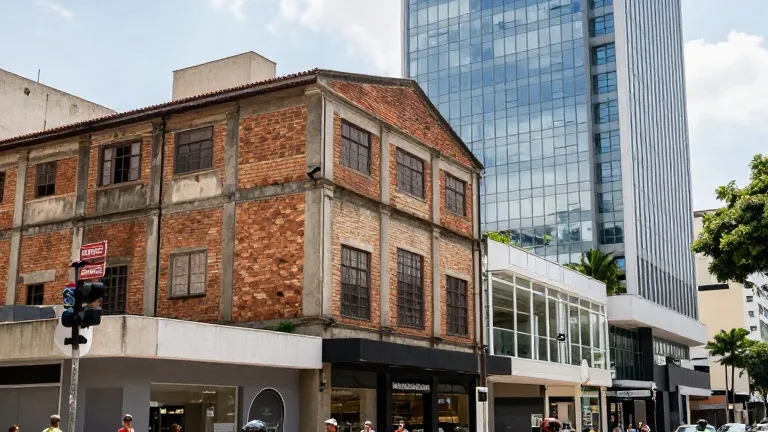
The municipality of Osasco, a suburb of São Paulo, illustrates this transition. Once known for heavy industry, the city has closed many of its metal, chemical, and textile plants. In their place, developers have built shopping malls and offices for delivery app companies. In the 2022 election, Osasco voted for Lula. In the first round of this year's vote, the city backed Flávio Bolsonaro, who leads the field nationally.
Union leaders in the region say the traditional working class has fragmented. Gilberto Almazan, who leads a metalworkers' union in Osasco, describes the local economy as deindustrialized. He notes that the union movement that supported Lula's rise is now outdated. Almazan argues that many new workers prioritize flexibility and freedom over the collective welfare programs Lula has traditionally offered. He refers to this shift as the Uberization of the workforce.
National abstention reached 33 million people in the first round, the highest number since 1998. Richard Lapper, a biographer of both major candidates, says Brazil industrialized late and deindustrialized early, intensifying the social impact. He calls Lula a victim of his own success. Although unemployment is at a record low and Brazil was removed from the UN's Hunger Map, many voters feel squeezed by high prices, household debt, and interest rates.
Flávio Bolsonaro has proposed cutting government spending, reducing the number of ministries, and lowering some taxes. He has stated he will keep certain of Lula's welfare programs. The candidate faces corruption accusations, which he denies. In the poorest areas, however, Lula's record remains strong. In the Maré favela in Rio de Janeiro, Lula won the first round despite high abstention. Residents there cite the minimum wage increase and free essential medicines as key reasons for their support.
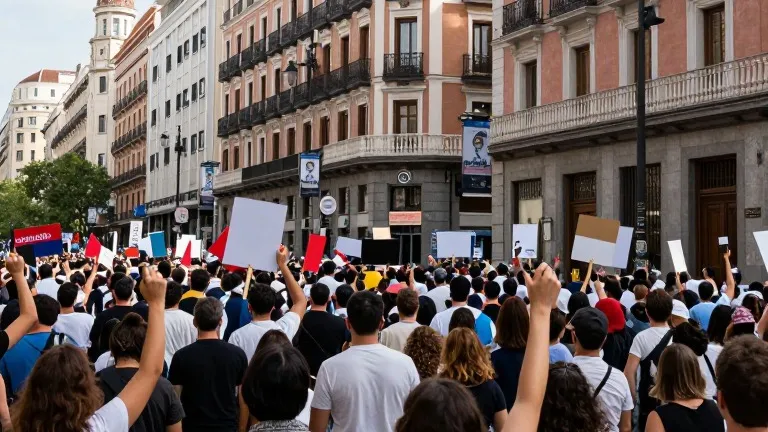
Lula’s campaign is responding to the shifting electorate by organizing large street rallies. The campaign claims one rally in São Paulo drew about a million people, a figure supported by widely shared aerial footage. The 80-year-old president has also used social media to counter narratives that he is too old for the role. He refers to himself as the king of selfies to demonstrate his energy.
Religious institutions are also influencing the vote. Evangelical churches, attended by roughly a quarter of Brazilians, are providing childcare and food assistance. Pastor Silas Malafaia, who is being investigated for allegedly obstructing the coup trial of Jair Bolsonaro, says Flávio Bolsonaro shares the church's values on family and abortion. The first-round results, however, appeared to be more of a rejection of Lula than a clear endorsement of his rival.