Iraqi prime minister heads to Lebanon as Baghdad eyes oil export routes beyond Hormuz
Ali al-Zaidi's Beirut visit is expected to focus on trade, security cooperation and a proposed pipeline through Syria to Tripoli that would let Iraqi crude bypass the Strait of Hormuz.
By Hannah Takahashi ·
Iraqi Prime Minister Ali al-Zaidi is due in Beirut on Wednesday for talks with Lebanon's leadership, as Baghdad seeks to deepen economic cooperation and secure new outlets for its crude oil after the US-Israel war on Iran. Al-Zaidi is expected to meet President Joseph Aoun, Prime Minister Nawaf Salam and Parliament Speaker Nabih Berri.
High on the agenda will be bilateral trade, customs exemption deals and coordination on security and countering drug trafficking. Also up for discussion: diversifying oil exports through a pipeline running from the Iraqi city of Kirkuk, via Syria's Mediterranean port of Baniyas, to Tripoli in northern Lebanon. The project is aimed at potentially bypassing the Strait of Hormuz, a key energy waterway severely disrupted since the war began in late February.
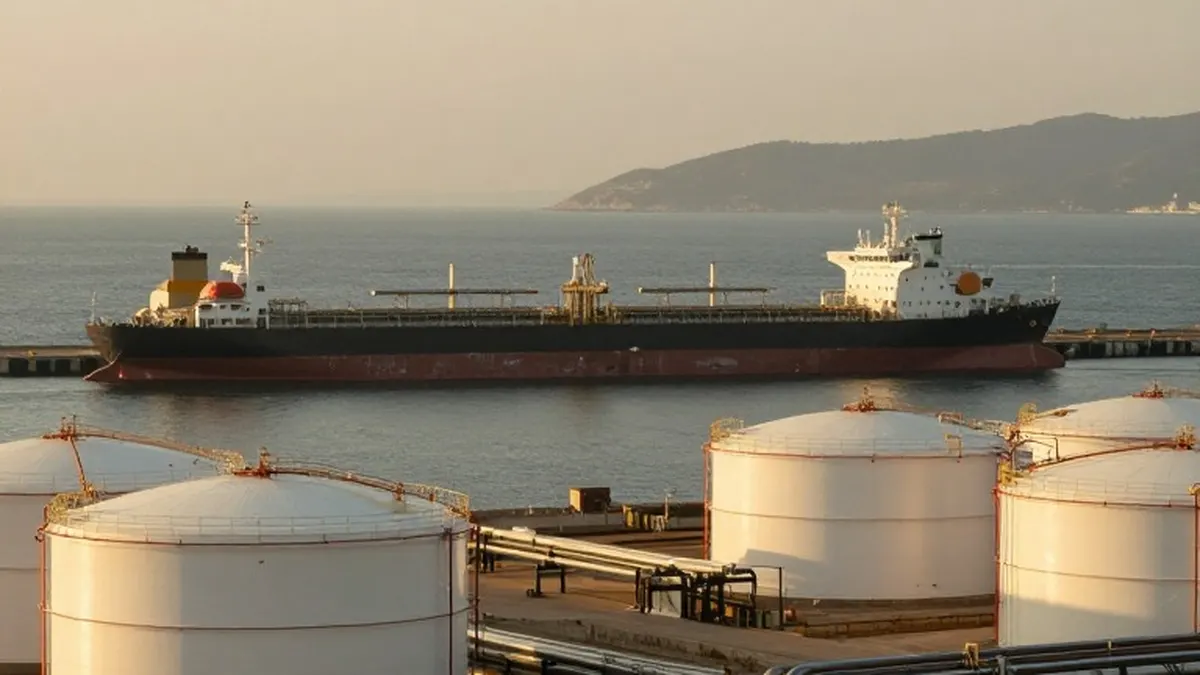
Iraq's crude exports were badly hit by the war and the effective closure of Hormuz, which carries one fifth of the world's energy in peacetime. The Ministry of Oil said exports reached about 2.7 million barrels per day last month, up from some 200,000 bpd in May but still below the prewar figure of about 3.5 million bpd. Exports have been helped by this week's resumption of pumping through the Iraqi-Turkish pipeline at an initial 120,000 bpd.
Baghdad has been hunting for alternatives, primarily through Syria, a route long hindered by international sanctions under longtime ruler Bashar al-Assad, who was toppled in late 2024. Tamer Badawi, an associate fellow with the Royal United Services Institute, said the visit was likely informed by US envoy Tom Barrack's "efforts to diversify Iraq's oil export routes across the region, particularly through Turkiye, Saudi Arabia, Syria and Lebanon."
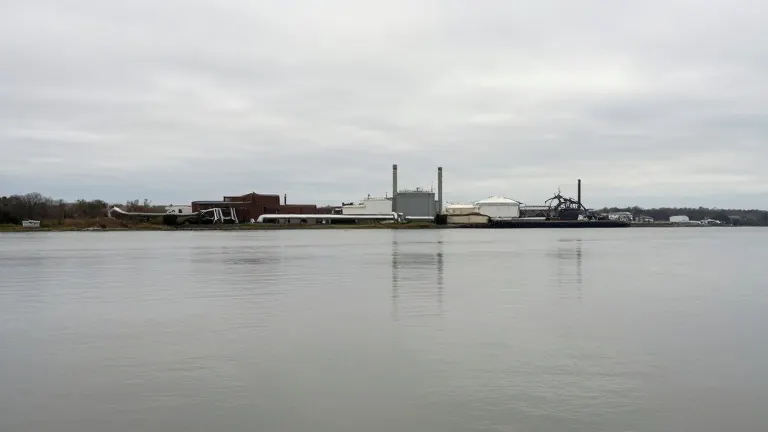
Tripoli, an impoverished northern city, has emerged as one option thanks to a long defunct pipeline from Kirkuk and a refinery that processed 21,000 bpd of Iraqi crude in 1940, before closing in 1992 shortly after the end of Lebanon's 15 year civil war, according to the Lebanese Directorate General of Oil. A report this year by the Basil Fuleihan Institute of Finance said "the terminal infrastructure remains a goldmine of latent capacity," estimating that a moderate flow of 300,000 to 500,000 bpd could earn Lebanon $80m to $275m a year.
That money would be a lifeline for a country gripped since 2019 by an economic and banking crisis that has wiped more than 90 percent off the currency's value and left most of the population in poverty. The Beirut trip comes weeks after al-Zaidi met Syrian President Ahmed al-Sharaa in Damascus, where the two countries agreed that US energy giant Chevron would rehabilitate the Kirkuk to Baniyas pipeline, a project the US Department of State said would have "an initial transport capacity of 2 million barrels per day of crude oil."
Experts say Wednesday's talks are a major opportunity for Lebanon to secure a place in a prospective three way agreement with Syria and Iraq, but warn it could be left behind. "Lebanon can benefit, but if Lebanon does not get a seat at the table, it [could be circumvented] because Iraq can already reach the sea from Syria," said Walid Marrouch, professor of economics at the Lebanese American University. Iraqi crude bound for Tripoli would first cross about 250km (155 miles) of Syrian territory, and Syria has its own ports in Tartous, Latakia and Banias, which the institute says could handle 350,000 to 500,000 bpd between refineries at Banias and Homs.
Even so, analysts say including Lebanon could benefit all sides. Flows through Syria would also aid a country where domestic production falls short and high energy costs have spurred protests. The finance institute's report said Tripoli's deepwater quays can take larger vessels, cutting freight costs per barrel and making Iraqi crude more competitive in European and North American markets, and noted the coastline is "naturally shielded from harsh southern winds and rough swells," keeping the port accessible year round even when winter storms halt loading operations in Banias.