26 Companies Under Investigation as Indonesia Apologizes for Regional Haze
Prabowo Subianto's admission of fault and specific enforcement actions have shifted the tone of ASEAN negotiations in Manila.
By Sofia Suzuki ·
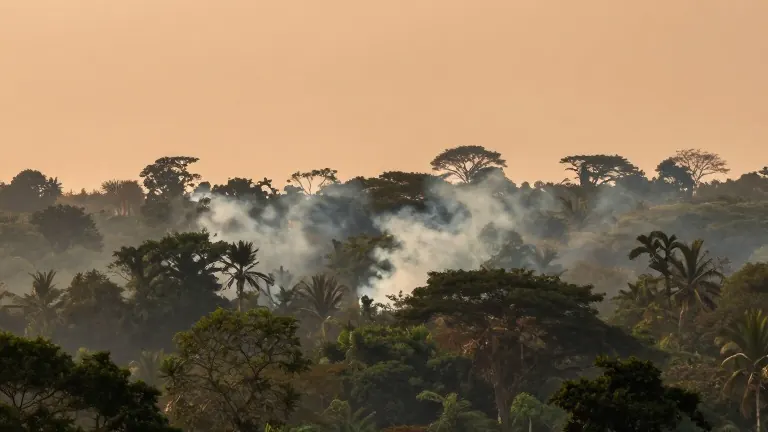
Indonesia’s President Prabowo Subianto apologized this week to Malaysia and Singapore for record land fires that have polluted skies across Southeast Asia. The burning area totals roughly the size of Delaware. The smoke stems from a severe dry season combined with agricultural practices that have intensified regional air pollution.
Subianto stated that his government was “forced to take very tough measures” against the primary causes of the fires. These causes include companies clearing forests and peatlands for palm oil and pulpwood plantations. The president detailed the enforcement steps taken against these firms. A total of 26 companies are currently under investigation. Eleven others have been formally charged. Seventeen have had their operating permits revoked.
The fires are concentrated on the islands of Borneo, Sumatra, and Papua. The pollution has triggered diplomatic friction between neighbors. A Malaysian official recently labeled Indonesia an “outcast” within the Association of Southeast Asian Nations, or ASEAN. Singapore has moved toward legal action against Indonesian companies suspected of starting the blazes.
The apology offered a path toward de-escalation. The Philippines’ foreign minister described Subianto’s remarks as “very frank and candid.” Her statement signaled a positive reception to the Indonesian leader’s transparency regarding the efforts to control the fires. This acknowledgment followed a summit in Manila, Philippines, last weekend where ASEAN leaders met to address the crisis.
During the Manila summit, the ten member states worked to tighten agreements on transboundary haze pollution. Kao Kim Hourn, the ASEAN secretary-general, noted a distinct change in the atmosphere of the negotiations. He told the network CNA that this is the “first time that I heard this issue being discussed quite sensibly by the leaders.”
Subianto emphasized the value of neighborly ties in his address. He said that “close cooperation, honesty between neighbors, [and] the fact that we have to work together in full transparency will strengthen us.” The public admission of fault appears to have facilitated a more collaborative approach among the regional powers.
The shift in tone marks a departure from earlier reactions of anger and threats. The focus has moved toward renewed partnership and specific regulatory enforcement. The immediate results include the charging of companies and the revocation of permits. The diplomatic climate in Southeast Asia now centers on the implementation of these new cooperative measures.