Tirana unrest: Police deploy force as crowds storm government buildings
More than 300 people were injured and dozens arrested during Saturday's clash in the Albanian capital, marking a sharp escalation in months of anti-government demonstrations.
By Hannah Takahashi ·
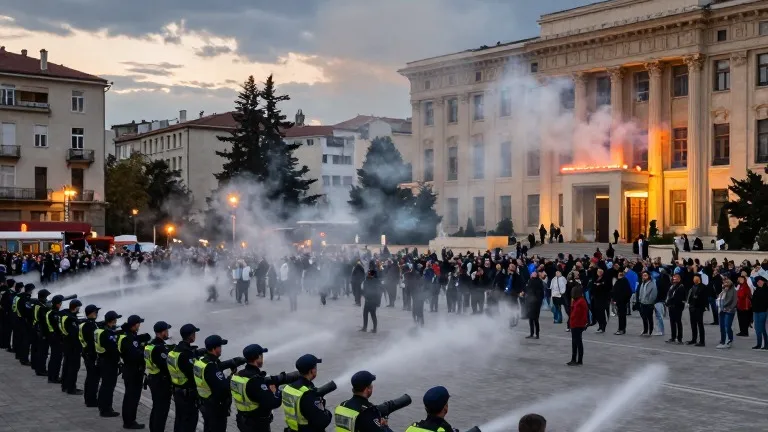
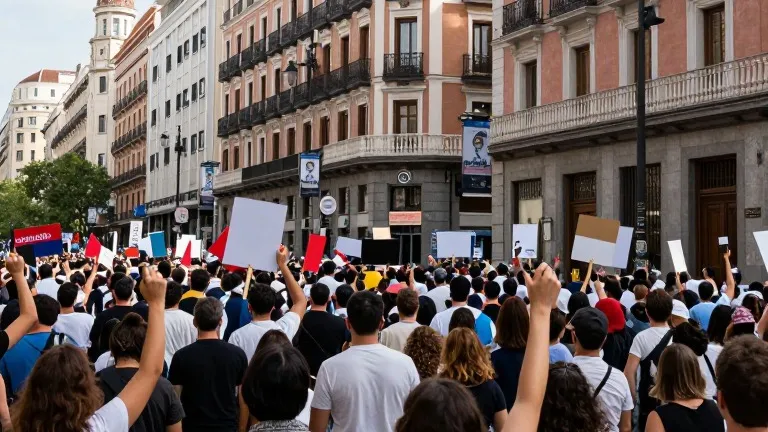
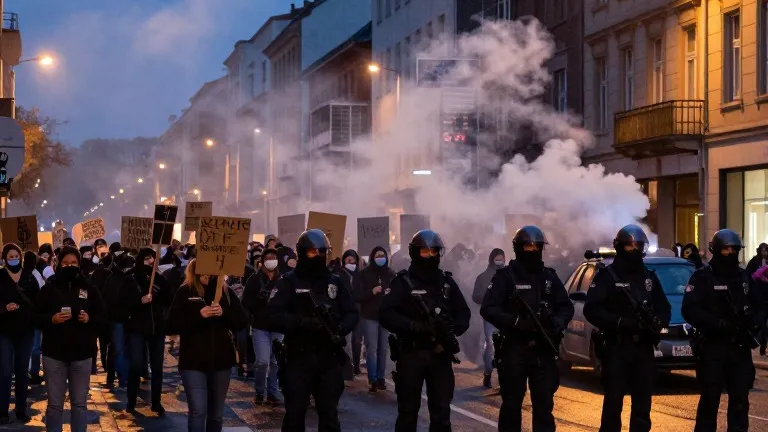
Tirana police deployed water cannon, tear gas, and rubber bullets on Saturday to break up a large antigovernment rally. The forceful intervention resulted in more than 300 injured individuals, a figure that includes both demonstrators and officers. Authorities also reported the arrest of dozens of protesters during the afternoon clashes.
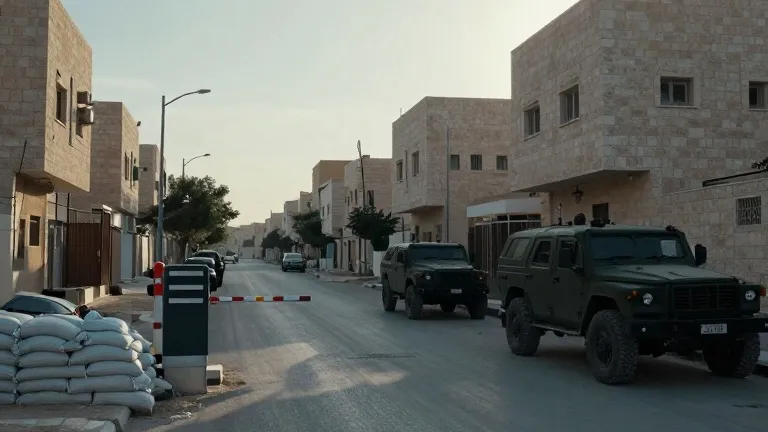
The violence marked a sudden spike in tension after a brief lull in recent days. Organizers from across Albania, including university professors, artists, and opposition parties, had called for a major turnout. Thousands responded to the summons, gathering in the streets of the capital despite heightened police security and vehicle checks on the city's entry points.
The Ministry of Education building became a primary target for the angry crowd. Demonstrators hurled stones at the structure and rolled burning trash bins toward its facade. The Ministry has served as a focal point for the protests since mid-October, when initial grievances centered on poor school conditions and the rising cost of living in the Balkan nation.
Prime Minister Edi Rama attempted to open a channel for negotiation during the rally. His administration placed red cushions outside the government headquarters as a symbolic invitation for dialogue. Protesters rejected the gesture, setting the cushions on fire in front of the building. Rama has frequently attributed the unrest to foreign actors, specifically citing Russia and Iran as drivers of online misinformation.
The current crisis stems from a wider wave of antigovernment sentiment that began in May. The initial trigger was the revelation of a luxury hotel project linked to the family of U.S. President Donald Trump. That specific dispute evolved into a broader campaign against corruption and economic hardship. Protesters now demand the resignation of Rama, a member of the Socialist Party.
The demonstrations have expanded their scope beyond the ruling government. Some participants carried signs criticizing Sali Berisha, the leader of the centre-right opposition. By targeting both major political figures, the crowd signaled that the entire political class bears responsibility for the ongoing national crisis.