2,000 civilians await evacuation in Oleshky as new ceasefire begins
The White House says Melania Trump brokered the truce, which starts October 27, while Ukraine reports Starlink speeds remain capped at 100mph.
By Sofia Suzuki ·
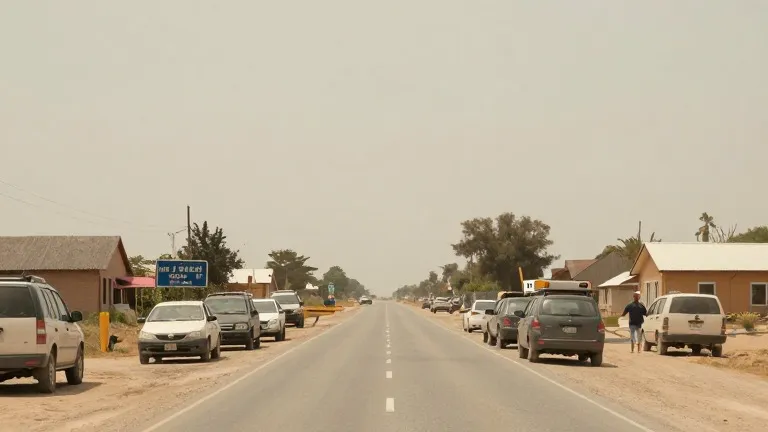
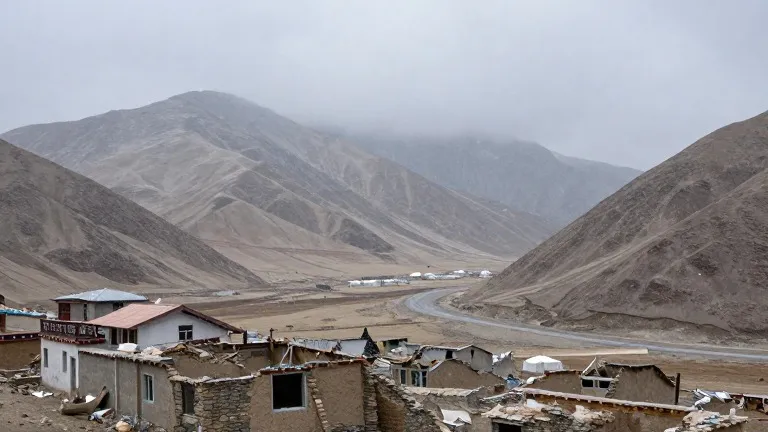
An estimated 2,000 people remain in the Russian-occupied city of Oleshky as a local ceasefire takes effect on October 27.
The White House announced on Friday that Russia and Ukraine agreed to halt all military operations in the town. The pause allows for the delivery of aid and the evacuation of residents. The truce was brokered by first lady Melania Trump, whose representative worked directly with leaders from both countries to set the terms.
Residents have described desperate conditions in Oleshky, which has been under Russian occupation since February 2022. Shortages of food, water, and electricity have forced some inhabitants to survive on weeds, boiled grass, and small rations. Ukrainian officials have spent weeks pushing for a civilian evacuation, using drones to airdrop emergency supplies into the area.
The first lady stated that residents wishing to leave will receive coordinated support and transportation to their preferred destination. She noted that some may choose to go to Russia, while others may choose Ukraine. Ukrainian ombudsman Dmytro Lubinets said the mission will include demining roads into the town and delivering food. He added that officials want the effort to go beyond a one-off event and extend beyond Oleshky alone.
This agreement follows a longer record of efforts to arrange a humanitarian pause. Ukrainian officials previously claimed Russia rejected calls for a ceasefire. Pope Leo XIV, the United Nations, and EU officials had also urged a truce. Lubinets said he believed an agreement was near on October 18, without mentioning the role of the first lady in the mediation.
Separate from the truce, Ukrainian forces report widespread disruption to the Starlink satellite network. Speeds remained capped at about 100mph throughout Friday, according to Ukrainian officials. Serhii Beskrestnov, a military expert who advises President Volodymyr Zelenskyy, said no lifting of the restrictions had been observed. The cap prevents drones and other military equipment from staying connected at high speed, which hampers offensive operations and defense against Russian attacks.
The slowdown began last week after President Donald Trump and Elon Musk publicly criticized Zelenskyy over strikes on Russian oil refineries. Both Trump and Musk have denied responsibility for the restrictions. Trump told reporters on Friday that he heard the issue was fixed but would speak to Musk if it was not. British Prime Minister Andy Burnham stressed to Trump in a phone call that Ukraine needs full access to the service, Downing Street said.
Tensions between Ukraine and the US have deepened over the Starlink issue and Zelenskyy's complaints that Washington temporarily suspended intelligence sharing. Relations strained further when the US lifted sanctions on Russia and began importing Russian diesel to lower energy prices before midterm elections. Russian Deputy Prime Minister Alexander Novak said on Friday that three tankers were heading to the US and that Russian companies could supply 500,000 metric tonnes in October.
Russia launched another overnight barrage on Ukraine as Kremlin spokesperson Dmitry Peskov said trilateral talks between Russia, Ukraine, and the US are expected to resume in Abu Dhabi in November. Earlier rounds of talks produced no breakthrough. Russia demands a Ukrainian withdrawal from eastern territory, a drastic cut in the size of the Ukrainian military, and neutral status that would rule out Nato membership. President Vladimir Putin told a state television reporter on Thursday that the lands lost by Kyiv are Russia's historical lands and insisted Moscow would achieve all the objectives of its invasion.